
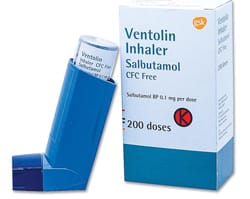
Order Ventolin HFA Online for Quick Delivery and Relief
Tackling Chest Tightness and Breathlessness
Picture yourself out for a jog when your ribs suddenly feel gripped by an invisible vise. This crushing sensation, frequently paired with a high-pitched whistling, characterizes a bronchospasm. Ventolin HFA functions much like a master key, releasing those constricted passages so oxygen can surge through without resistance.
This prescription inhaler is crafted specifically to mitigate or stop these sudden respiratory events. It zeroes in on the smooth muscle layers encircling your bronchial tubes, commanding them to unwind instantly. For many users, this is the line between a frantic gasp for air and a peaceful, rhythmic breath during a sudden flare-up.
The medication is suitable for individuals aged 4 years and older. Whether the patient is a child on a playground or a professional at a desk, the objective is identical. It offers a lightning-fast reaction to the physical narrowing that makes every single gasp feel like an uphill climb.
Medical professionals usually recommend this for those with reversible obstructive airway disease. This condition means your passages shrink because of irritation or inflammation, yet they retain the ability to reopen. It acts as a lifeline for people whose lungs occasionally decide to go on strike when oxygen is most vital.
How Albuterol Functions in Pulmonary Treatment
As the primary active ingredient in Ventolin, albuterol is a powerhouse in the respiratory toolkit. It operates by activating beta-2 receptors within the pulmonary system. You can imagine it as a direct command sent to your muscles, yelling, “Expand!” to get rid of wheezing and the feeling of breathlessness.
This drug is a cornerstone for navigating both COPD and asthma symptoms. While asthma is characterized by sudden, triggered episodes, COPD typically involves a more persistent struggle. In both instances, albuterol stands as a crucial instrument for fighting the constriction that turns minor tasks into marathons.
It is vital to understand that albuterol acts essentially as a “rescue” operative. It does not mend the deep-seated inflammation causing chronic issues, but it certainly cleans up the immediate mess. It manages the current emergency, delivering the fleeting relief necessary to stabilize your breathing in a pinch.
Patients frequently wonder if this serves as a permanent cure, but it is better understood as a tactical intervention. While it is remarkably efficient at halting a wheeze mid-breath, it isn’t a long-term remedy for the actual disease. Think of it as a fire extinguisher rather than the building’s automated sprinkler system.
The Gap Between Rescue Relief and Daily Maintenance
Confusion is common, but employing a rescue inhaler like Ventolin is a world away from using a daily controller. Utilizing it only when wheezing constitutes “rescue” use. This method is intended for sudden, unexpected symptoms, such as the onset of an acute asthma attack.
Conversely, some individuals might incorrectly lean on it for long-term prevention. Making this error can lead to significant health complications. If you are grabbing your Ventolin on a daily basis, your underlying ailment may be poorly managed, suggesting you need a different clinical strategy.
To keep things crystal clear, please review this basic comparison of how patients typically integrate this medicine into their routine:
| Application Mode | Main Objective | When to Use |
| Rescue Use | Ease sudden wheezing | During an acute flare-up |
| Prevention | Stop daily symptoms | Requires different, daily medication |
If breathing feels like an unending fight, please consult your physician. Trying to use Ventolin alone to prevent daily issues is like attempting to stop a dam breach with a lone bucket. It is far wiser to fix the source of the leak instead of just reacting to the flood.
How to Properly Use Your Inhaler and Manage Dosing
Perfecting Your Inhaler Technique
Getting the most out of a Metered Dose Inhaler (MDI) requires a bit of practice, much like mastering a new hobby. If you trigger the spray before you’ve started inhaling, the medicine will likely hit the back of your throat instead of reaching your lungs. This timing is critical; think of it as a synchronized movement where your breath and the device work as one.
Start by giving the canister a good, vigorous shake for several seconds to ensure the medication and propellant are blended perfectly. Pop off the cap and take a long, slow breath to empty your lungs. As you begin to exhale, depress the canister once. This precise coordination ensures the mist travels deep into your respiratory system where it can do its job.
Once you’ve inhaled, hold your breath for about ten seconds. This brief pause allows the albuterol to settle against the walls of your bronchial tubes. If you need to take two puffs, wait a full minute before the second round. Trying to rush the process is like pouring a bucket of water on a tiny seedling; it’s simply too much at once to be useful.
If your coordination feels a bit clumsy, using a spacer can be a total game-changer. This tool holds the medication in a chamber, allowing you to inhale it more naturally without perfect timing. It acts as a bridge between the canister and your lungs, making certain that every single milligram of your prescription makes it to its target destination.
Dosage for Adults and Children
Treatment plans are never one-size-fits-all, particularly when you are caring for little ones. While these medications are cleared for kids aged 4 and older, a child’s developing body and smaller lungs require a different approach than an adult’s. It is vital to stick strictly to the specific puff count or milligram amount your pediatrician recommends to prevent overstimulation.
For adults, the medication is frequently used to combat triggers in the environment or during physical activity. While symptoms from COPD or asthma might require more frequent use during a flare-up, the mechanics of using the MDI remain identical. From a toddler to a grandfather, the goal is always the same: precise and efficient delivery of the medicine.
Parents should keep a watchful eye on how their child reacts to the treatment. If a child becomes unusually jittery or their heart feels like it is racing, their body might be reacting to the dose. It is a smart idea to track how often the inhaler is used; that information is absolute gold for your doctor during your next visit.
Understanding Your Costs
Walking into a pharmacy can sometimes feel like navigating a confusing labyrinth of pricing. Your total out-of-pocket expense depends heavily on your insurance provider and whether you choose a brand name or a generic option. We have outlined a general comparison of common price points for various prescription inhaler choices below.
| Inhaler Category | Generic Albuterol | Brand Name Ventolin | Estimated Monthly Price |
| Standard MDI | $15.00 | $45.00 | $30.00 |
| With Spacer | $25.00 | $55.00 | $40.00 |
| Nebulizer Set | $40.00 | $90.00 | $65.00 |
| Large Refill | $35.00 | $75.00 | $55.00 |
Sticking to Your Medical Plan
It can be very tempting to skip your medicine when you are feeling wonderful, but medical instructions aren’t optional suggestions. Staying consistent with your prescribed regimen is the line between staying in control and being overwhelmed by your breathing. If you stop a maintenance dose because you feel fine, you might be inviting a massive, unexpected respiratory crash.
View your medical roadmap as the guide for your lung health. If you wander off the path, you might find yourself caught unprepared in a sudden, severe asthma attack. Being consistent is your best defense; it keeps inflammation under control and ensures your “rescue” inhaler stays as a backup tool rather than something you need every day.
You should never change your dosage based on your own intuition. If you feel like the medicine isn’t hitting the mark anymore, don’t just double up on the puffs. That is like trying to stop a massive leak by turning the faucet up to maximum pressure. Instead, have a conversation with your doctor about why your symptoms are shifting.
Financial Forecasts and Market Rates in USD
Popping into a local drugstore to fulfill a prescription can sometimes feel like betting against the house in a casino. You might walk in expecting one number, only to find a completely different total printed on your receipt. For patients who depend on Ventolin HFA, these sudden price swings can trigger as much anxiety as a tight chest.
Within the United States, the retail cost for the brand-name Ventolin HFA usually carries a hefty premium. While the exact amount depends on your canister size and dosage, expect to see a major spike compared to generic options. Many families find this a massive headache when trying to balance a tight monthly budget against respiratory needs.
Knowing the baseline costs is your best defense against a sudden “sticker shock” at the checkout lane. While there is comfort in brand loyalty, the price gap between name-brand inhalers and generic versions can be wide enough to swallow a week’s grocery budget. Being well-informed is your first line of defense against these medical expenses.
Navigating Insurance Coverage and Savings Programs
Think of insurance as a sturdy umbrella; it helps, but it won’t keep you completely dry in a downpour. Depending on your specific plan, your actual cost might be a tiny co-pay or a massive chunk of the total bill. Much like a weather forecast, you can plan for the rain, but you might still end up soaked.
Your choice of pharmacy can change your final bill more than you might realize. If you skip your insurance provider’s “preferred” network, you might find yourself stuck paying the full retail price out of pocket. It is always a wise move to call ahead and verify how your plan handles HFA inhalers before you head out.
If you are facing high deductibles or lack coverage entirely, don’t throw in the towel just yet. Digital tools like GoodRx have become a lifesaver for many people in similar situations. These apps allow you to compare local prices and use coupons that can slash albuterol costs, sometimes bringing the brand-name price down to a manageable level.
Using these discount tools is like finding a forgotten twenty-dollar bill in an old jacket; it feels like a small victory when you need it most. Taking just five minutes to check an app before you arrive can save enough cash to cover your next co-pay. It is a simple habit that yields very high rewards.
Comparing Generic and Brand-Name Costs
When the pharmacy technician asks if you want the generic, they are offering you a pivotal decision for your wallet. Generic albuterol sulfate is chemically identical to the brand-name in how it works, yet it usually comes with a much lighter price tag. Think of it as the “store brand” of the respiratory world.
Ventolin HFA is a household name, but its generic counterpart offers identical relief for a fraction of the price. For many, the choice is a complete no-brainer, though some patients stick with the brand because they trust the specific canister feel. If you have a preference, talk to your doctor about the cost trade-offs first.
To help you visualize how these different paths compare, check out the estimated price breakdown below. Please remember that these are only estimates; actual rates in your specific zip code might shift based on local supply chains and availability.
| Medication Option | Estimated Retail Range | Primary Advantage |
| Ventolin HFA (Brand) | $50.00 – $80.00 | Brand Trust & Familiarity |
| Generic Albuterol | $15.00 – $30.00 | Significant Savings |
| Discounted (via Apps) | $10.00 – $25.00 | Lowest Out-of-Pocket Cost |
Procurement and Distribution Protocols
Navigating the legal labyrinth of acquiring medicine can feel like a tightrope walk without a net. Since Ventolin serves as a potent bronchodilator meant to tackle sudden bronchospasm, authorities keep a very close eye on its distribution. You won’t find this canister sitting on a supermarket shelf like a bag of chips; obtaining it requires a valid prescription, no exceptions.
Consider a doctor’s authorization as your essential passport to accessing this vital inhaler. Whether you consult a local physician or a virtual healthcare provider, your clinician must confirm that the drug is a medical necessity for your breathing issues. Trying to circumvent this mandate is more than just a nuisance; it is a violation of the law.
Many individuals run into trouble when their medication supply dwindles while they are traveling or away from their usual doctor. During these times, electronic prescriptions are an absolute lifesaver. Modern medical infrastructures permit your practitioner to transmit digital orders directly to a dispensing site, ensuring your paperwork travels faster than a sudden asthma flare-up.
If you notice your inhaler is nearly empty and you are out of refills, stay calm. Contact your medical provider immediately to bridge that gap. It is much safer to keep a spare canister tucked away in your luggage than to realize you are stranded when your chest starts to feel tight.
The Path from the Pharmacist to Your Home
Opting for home delivery is essentially like employing a specialized courier for your personal wellness. The sequence triggers once your prescription is received and vetted by the pharmacy. After the technician completes the order, the item is bundled carefully to guard against damage or shifts in temperature that might ruin the aerosol propellant.
Managing the transport of respiratory tools requires a delicate touch. Most legitimate vendors utilize discreet, tracked mailing options to protect your medical privacy. You won’t find “Ventolin” printed in massive, obvious lettering on the exterior of the parcel, which keeps your health details strictly between you and the courier.
The supply chain usually runs like clockwork, but hiccups are part of the game. Regional delays, unpredictable weather, or a simple mistake by a driver can throw a wrench into the gears. It is smart to keep a close eye on your tracking details, particularly if your current albuterol levels are getting critically low.
For folks living in isolated or rural zones, the wait can feel like an endless marathon. It is wise to maintain a “buffer stock” in your cupboard to account for these unavoidable disruptions. Betting your health on a single package arriving at the exact right moment is a gamble most patients shouldn’t take.
Ensuring Your Online Vendor is Legitimate
The digital world is a massive ocean, and not every vessel in the pharmaceutical fleet is seaworthy. While web-based pharmacies provide incredible convenience, they can also act as a hiding spot for fraudulent goods. You must do your due diligence before handing over any credit card data to a mysterious website.
A massive warning sign is any vendor promising Ventolin without requiring a medical authorization. If a site claims you can bypass the doctor and go straight to the checkout line, turn around and run. These “rogue” operations frequently peddle substandard or hazardous materials that might cause more harm than they solve.
To stay on the safe side, hunt for specific hallmarks of a real business. A reputable shop will list a physical street address, offer a way to speak with a real pharmacist, and hold a verifiable license from the National Association of Boards of Pharmacy. If the site looks like a relic from 1995 and lacks contact details, stay away.
You should also look for the “VIPPS” certification, which proves the facility adheres to strict quality and safety benchmarks. Think of it like checking the freshness of food; if the seal is broken, you can’t trust the contents. Taking these precautions ensures you receive the genuine medication you need.
- Look for a physical location: Avoid any website that lacks a real-world address.
- Confirm their credentials: Search for accreditation from recognized pharmacy governing bodies.
- Reject “No Prescription” claims: This is the primary red flag for a scam.
- Search for third-party feedback: Check what actual patients are reporting on independent platforms.
Expected Wait Times and Emergency Needs
When managing your breathing, timing is of the essence. For standard shipments, you can typically expect the process to take between three and seven business days. This window covers everything from the initial verification and filling to the actual transit time through various delivery networks. It is a standard rhythm for most people.
If you are facing an urgent shortage, you might need to pay for faster transit. Many large pharmacies provide overnight or two-day options for an extra fee, often between $15.00 and $30.00. While this adds to the cost, the added peace of mind during a respiratory crisis is often worth the price.
Keep in mind that “transit time” is distinct from “order processing.” Even with overnight shipping, the pharmacy still needs to verify your insurance and prepare your canister. Always factor in an extra 24-48 hour window so you aren’t left gasping for air while waiting for the courier.
If your wheezing is increasing right now, do not sit around waiting for the mail. In a true emergency, your local physical pharmacy is your quickest path to relief. Use the mail-order services for your regular refills, but always keep a local backup for those sudden, unexpected moments.
How Ventolin HFA Measures Up Against Other Albuterol Selections
Walking through a pharmacy can feel like trying to navigate a dense forest of nearly identical canisters. You might spot Ventolin HFA standing shoulder to shoulder with ProAir or various generic albuterol sulfate options. While the core mission for every single one is to open up your airways, the real nuance lies in the subtle specifics of their delivery method.
It is a bit like choosing a vehicle for a long road trip; some are the dependable classics, while others are modern updates with slightly different steering. Many patients find that transitioning from one brand to another feels like breaking in a new pair of shoes. Even if the active ingredient is the same, the sensation might feel a bit “off” initially.
ProAir, for example, acts as a primary rival that performs the same essential task of treating bronchospasm. Although doctors typically consider them equivalent for most people, individual experiences tend to vary widely. A handful of users swear that the specific “feel” of a Ventolin puff is superior to its many counterparts.
Never forget that these options are rescue medications meant for immediate relief during an emergency. They are not your daily maintenance routine, but rather your personal “fire extinguisher” when an asthma attack flares up. Whether you reach for the brand name or the generic, the goal is the same: helping you breathe easily again.
Inhalers vs. Nebulizer Therapy
When that familiar chest tightness begins to settle in, you face a choice between a quick puff and a slow, steady mist. For the majority of adults, a Metered-Dose Inhaler (MDI) like Ventolin HFA is the preferred pick because it is incredibly portable. You can slip it into a pocket and be ready to go in a heartbeat.
Nebulizers, however, tell a different story, particularly for individuals battling severe respiratory distress. These devices transform liquid medication into a fine mist that you inhale through a mouthpiece or mask over several minutes. It is a more deliberate, slower process that generally requires a battery or a power outlet to function.
If you are parenting a child who struggles to follow directions, a nebulizer can truly be a lifesaver. It is much harder to accidentally “miss” a dose when you are breathing deeply through a mask. In contrast, an inhaler demands a synchronized “press and breathe” technique that can prove tricky for certain users.
Ultimately, your decision often hinges on how severe the attack feels and the age of the patient. If you are just managing a bit of wheezing during exercise, an inhaler is the king of convenience. But if you are struggling to catch your breath while simply sitting still, a nebulizer might be the heavyweight champion you require.
Mechanical Differences in How Medication is Delivered
The true magic of Ventolin HFA is tucked away in its unique propellant system. This specialized mechanism was engineered to produce a consistent, fine mist every time. This represents a massive leap forward from older models that sometimes delivered a harsh “spit” of medicine instead of a smooth aerosol.
This technical refinement isn’t just marketing fluff; it directly influences how much medicine actually reaches the deep parts of your lungs. If the particles are too large, they simply hit the back of your throat. If they are sized correctly, they sail straight into the bronchioles where they are needed most.
Some generic versions might utilize different nozzle designs or different propellants. Even though the FDA regulates these to ensure they act similarly, the actual “feel” of the spray can shift. This explains why some patients might experience a “dry” sensation with one brand that they don’t feel with another.
It is also vital to keep an eye on the canister’s prime. A well-engineered delivery system ensures that every single press yields a predictable dose. If your inhaler feels inconsistent, the issue might lie with the delivery mechanism or perhaps a faulty canister.
Evaluating the Cost-to-Value Ratio
Money is frequently the elephant in the room when we talk about prescription medications. Brand-name Ventolin HFA often comes with a much higher price tag, sometimes topping $50.00 for one canister depending on your specific insurance. For many families, this feels like a very steep mountain to climb.
On the other side of the aisle, generic albuterol sulfate provides a much more budget-friendly alternative. You might find a generic version for as little as $20.00 or $30.00. For someone managing chronic asthma, those savings can turn into a significant amount of saved cash over the course of a single year.
So, is the brand name worth paying that extra dough? For some, the answer is a resounding yes because of the perceived reliability of the propellant. For others, the generic version is a total bargain that offers the exact same medical outcome without the “brand tax.”
To help you make an informed choice, please review this breakdown of typical costs:
| Medication Category | Typical Cost Range | Primary Advantage |
| Ventolin HFA (Brand) | $45.00 – $65.00 | Proven delivery consistency |
| Generic Albuterol | $15.00 – $35.00 | Maximum cost savings |
| Nebulizer Kits | $10.00 – $25.00 | Ease of use for severe cases |
What to Watch for After Using Your Inhaler
Recognizing Typical Physical Responses
Taking a puff from your rescue device can occasionally leave you feeling like you just ran a marathon while sitting perfectly still. It is quite common to notice a slight shakiness in your fingers or a feeling of being “on edge.” This is simply the medicine working its magic to expand your airways.
You might also notice your heart racing or skipping a beat, which can feel rather unsettling. Do not panic; this is a standard physiological reaction to the medication. These palpitations typically subside once the initial effects of the dose begin to fade away from your system.
Some people also deal with a tickle in their throat or perhaps a dull headache. Think of these as mere pebbles in your shoe rather than major obstacles. Most users find these minor issues are quite easy to manage without disrupting their daily routines or general sense of comfort.
If you feel these sensations are becoming too intense, start keeping a personal diary. Record how long the symptoms persist and how strong they feel. Presenting this data to your physician during your next appointment can be a game-changer for refining your treatment plan.
Spotting the Difference Between Minor and Critical Issues
It is essential to distinguish between a nagging side effect and a genuine medical crisis. A minor tremor is like a flickering candle—it is a bit distracting, but the house isn’t on fire. You can usually manage these small sensations without rushing toward the hospital.
On the other hand, certain symptoms require you to stop everything and get help instantly. If you notice your tongue, lips, or face swelling up, you are facing a serious allergic event. This is a massive red flag that demands urgent clinical intervention to keep you safe.
Never try to “tough out” intense chest pressure or crushing sensations in your torso. If your chest feels heavy or painful, do not wait for the feeling to vanish on its own. These symptoms often point to a much more significant problem than a simple bout of asthma.
Always pay attention to how your body reacts every single time you use the device. If you notice a trend of severe reactions, reach out to your healthcare provider immediately. They may decide to modify your daily maintenance medication to keep your breathing steady.
The Risks of Relying Too Heavily on Rescue Relief
Think of your rescue inhaler as a kitchen fire extinguisher; you hope it stays tucked away in the cupboard, but it is vital to have nearby. If you find yourself grabbing it multiple times throughout a single day, your underlying condition may not be under control. This is a significant warning sign.
Relying on Ventolin too often can give you a false sense of security regarding your health. While it manages the immediate tightening of your airways, it doesn’t touch the inflammation living deep in your lungs. If you are constantly dousing fires, you might be ignoring a larger blaze.
Using your rescue inhaler more than twice in a week is a sign that your current long-term therapy might be falling short. Rather than just taking another puff, step back to evaluate your overall respiratory health. It could be time to discuss a new strategy with your doctor.
Keeping a log of your inhaler usage is a brilliant way to stay ahead of your symptoms. Many patients find that tracking how many puffs they take per week provides clarity. If those numbers are trending upward, schedule a consultation to discuss your long-term care.
When to Call Emergency Services Right Away
There is a massive gap between “having trouble breathing” and experiencing a life-threatening emergency. If your inhaler fails to provide any relief at all, you are in a crisis. Do not sit around waiting for the medicine to work if it isn’t helping.
You must seek urgent medical assistance if you encounter any of the following:
- You find it nearly impossible to speak in full sentences due to air hunger.
- A bluish tint appears on your fingernails or around your lips.
- Your chest feels incredibly tight or painful even after using the inhaler.
- You experience sudden confusion, extreme dizziness, or the feeling that you might faint.
In these high-stakes moments, time is of the essence. Avoid attempting to drive yourself to the clinic if you are gasping for air; call for an ambulance instead. Knowing the fastest route to an emergency room can offer peace of mind during high-stress events.
The ultimate goal of using Ventolin is to return to your normal activities, not to spend your life fighting for air. If your breathing feels like a losing battle, do not hesitate to seek professional medical help immediately.